

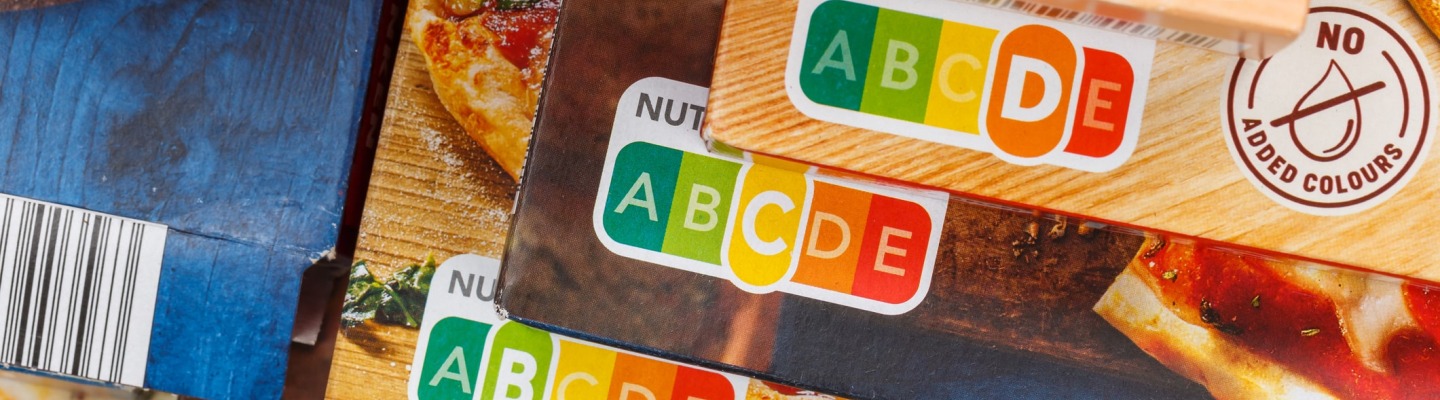
The rise in obesity and related health issues worldwide has prompted countries to implement strategies to promote healthier eating patterns. With regulations continuing to evolve, Nutri-Score—a front-of-pack nutritional labeling system—has undergone significant updates in 2024 to further aid consumers in making informed dietary decisions while encouraging manufacturers to improve the nutritional quality of their food products.
Here's an updated guide to understanding Nutri-Score and what the 2024 changes mean for consumers and manufacturers in the coming year.
What is the Nutri-Score system?
Nutri-Score, introduced in 2017 by the French government, is a voluntary labeling system designed to simplify nutritional information on food packaging. It assigns a score from A (best) to E (worst) and uses a color-coded scale ranging from dark green to red. This intuitive visual system provides consumers with an at-a-glance evaluation of a product's nutritional profile.

It's calculated by combining negative points (for energy, saturated fats, sugar, and salt) with positive points (for fruit, vegetables, nuts, fiber, and proteins). The score is categorized into four application groups:
- General solid foods
- Beverages
- Fats, oils, and butter
- Cheeses
Key updates to Nutri-Score in 2024
1. Algorithm adjustments
The 2024 changes have updated the Nutri-Score algorithm to address some critiques and align the ratings more accurately with modern nutritional guidelines. Changes include:
- Saturated fatty acid differentiation: The updated algorithm now distinguishes between different types of saturated fats. For example, nuts and seeds high in healthier unsaturated fats receive better scores.
- Reduced focus on sugars: Nutri-Score now places a greater emphasis on added sugars rather than naturally occurring ones, reflecting new global insights into sugar's impact on health.
- Calcium and Omega-3 recognition: Positive points are now awarded for calcium and omega-3 content, emphasizing their importance for bone and brain health.
2. Specific criteria for beverages
Beverages have received tailored criteria. Fruit juices and sugary drinks are now rated on stricter minimum nutritional quality thresholds. Unsweetened drinks and water continue to receive the highest (A) score, further promoting healthier beverage choices.
3. Improved scoring guidelines for cheese and oils
Cheese and oils, long debated categories within Nutri-Score, now have updated scoring guidelines. Full-fat cheeses and certain oils like olive oil are more favorably rated to align with their beneficial nutritional properties in moderation.
4. Mandatory adoption discussions
While Nutri-Score remains voluntary in countries like France, Belgium, Germany, and the Netherlands, advancements in 2024 include intensified discussions within the EU.
Would you like to know more?
Please sign in or request access to get access to the full content. In case you have any questions, please click the "Request information" button below.
New customer?
Request access